




Click to Watch: How Gaming Became a Spectator Sport
Gather round. Think back. Not so long ago, the idea of watching someone else play a video game seemed, well, odd. A bit boring. Why watch when you can play? A quiet revolution has flipped that thinking on its head. Picture this: a sports arena in Seoul. The air hums, not with the thud of a ball, but with the frantic clatter of mechanical keyboards. Screens the size of billboards glow with digital battlefields. Eighteen thousand faces are tilted upward, breath held. A final move decides a championship. The crowd erupts. This is not a scene from the future. This is a regular Saturday night for esports.
This new world of competition did not appear from nothing. Its roots are in the dim light of internet cafes. They are in the early, shaky webcasts of players huddled around computer monitors. A game called StarCraft in South Korea lit the first fuse. It showed that strategy and lightning-fast clicks could be as gripping as any physical sport. Then came faster internet. A website called Twitch gave everyone a front-row seat. Suddenly, you could watch the best players in the world, live, from your sofa. You could chat with them. You could learn from them. The seed was planted. It grew into a forest.
Money followed the eyes. Big brands smelled opportunity. Sports team owners, looking for young fans, bought gaming squads. Coca-Cola and Mercedes-Benz slapped their logos on digital jerseys. The prize pools for top tournaments ballooned. The pot for a Dota 2 event once topped forty million dollars. More eyes meant more money. More money meant bigger productions. The cycle spun faster and faster.
Two Screens, One Event: The Live Stream and the Big Broadcast
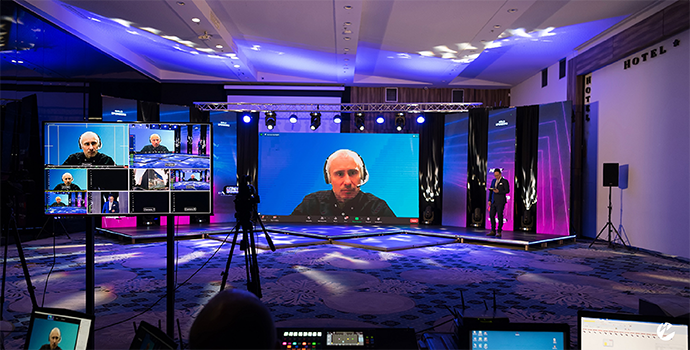
To understand how people watch, you need to look at two different screens. Each offers a distinct flavor of the same meal.
First, the live stream. Open Twitch or YouTube Gaming any evening. You’ll find a million channels glowing. This is the beating heart of daily esports culture. Here, the show is not just the game. The show is the player. The personality. A pro might be practicing a new tactic. A commentator might be breaking down a famous match, move by move. The magic is in the chat window beside the video. A waterfall of text, emojis, and inside jokes flies past. Strangers become friends through shared hype. They type “POGGERS” for a great play. They spam “F” to pay respects for a loss. It’s raw, unfiltered, and immediate. It feels like you’re hanging out, not just watching. The streamer talks directly to the chat. They answer questions. They react. This connection is powerful. It builds fierce loyalty. This is where stars are born, not just on skill, but on charisma.
Then, flip the channel. Tune into ESPN during a major tournament. Or watch the official stream for the League of Legends World Championship. The feeling changes. The rough edges are polished smooth. This is esports dressed for the big time. High-definition cameras capture every tense frown on a player’s face. Drones swoop over the stage. The commentary is professional, clear, built for the newcomer as well as the expert. There are pre-made films telling the players’ stories—the rookie, the veteran, the underdog team. The narrative is everything. They translate the complex language of the game into a story of human struggle and triumph. The goal here is grandeur. It is to make a match in a video game feel like the Super Bowl. The production trucks, the stage lights, the roaring crowd—all of it screams that this event matters.
READ ALSO: FTAsiaManagement: Let’s Talk About the Real Economy
More Than a Game: The Threads That Pull Fans In
So why do they watch? The reasons run deep, and they are surprisingly human.
For many, it is a classroom. They play the game themselves. Watching the best is a lesson. They see new tricks. They understand how to react under pressure. The commentators act as teachers, pointing out subtle moves a casual eye would miss. A viewer walks away not just entertained, but smarter.
There is also tribe and identity. Picking a favorite team is a declaration. Wearing a Cloud9 hoodie or a G2 Esports cap is a badge. It says, “This is my group.” Online forums light up with fans debating strategy. They celebrate wins together in digital spaces. They share the agony of defeat. This community crosses oceans and time zones. It forges real bonds.
And then there is the pure, classic drama. Every competition needs a hero and a rival. Esports creates these legends organically. The unstoppable Korean squad. The flashy North American star. The old champion making one last run. The commentators feed these stories. They build up history between players. When two rivals meet, the match is not just about points. It is about pride, legacy, and revenge. The audience invests in these people, not just their pixelated avatars.
Finally, there is access. In traditional sports, an athlete feels distant. In esports, a champion might be live on stream tomorrow, eating pizza and joking with fans. The wall is thin. This closeness makes the victories sweeter and the losses more personal. The fan feels part of the journey.
Growing Pains: The Road Ahead for Competitive Gaming

The ride has been fast, but the road is getting bumpy. Making real money is a hard puzzle. Teams sell fancy sponsorships and merchandise, but costs are high. Player salaries, coaching staff, and travel eat up budgets. Some big organizations have stumbled, laying off staff. The reliance on outside money from tech and crypto companies has proven shaky. The business model is still being written.
The players themselves face a ticking clock. A career can be over by age twenty-five. The pressure to perform is immense, leading to stress and burnout. What comes after the keyboard is put away? The industry is young. It is only now building the support systems—counselors, financial advisors, career training—that traditional sports have had for decades.
And for all its size, esports still knocks on the door of the mainstream. Grandparents might not get it. News channels might relegate it to a quirky segment. The fight for respect, for recognition as a “real” sport, continues. Small wins, like esports being included in the Asian Games, show progress. But the journey is long.
The Next Level: What Watching Might Become
The future of watching is being coded right now. Imagine putting on a headset. Suddenly, you are not in your room. You are standing in the virtual arena. You can walk around the digital battlefield as giants clash above you. This is not science fiction. Experiments are already happening.
Or imagine your television screen overlaying stats onto the game. See a player’s heart rate spike during a crucial moment. Choose which player’s perspective to watch from, all with your voice. The passive viewer will become the director.
The core will remain, however. People will always gather to witness excellence. They will always crave shared stories and the thrill of a close contest. Esports has simply built a new stadium for this ancient habit. Its walls are made of code. Its players are athletes of the mind and fingers. And its stands, stretching across the entire internet, are always full. The match is about to begin. Don’t look away.