

 Muhammad Usama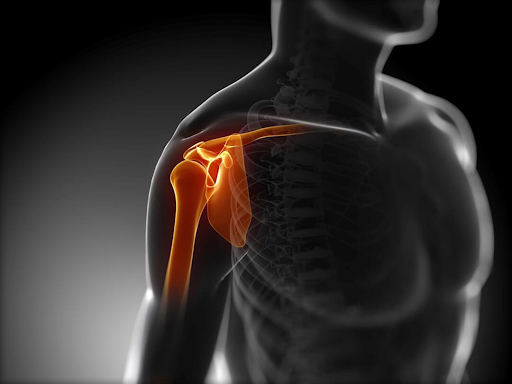
Shoulder injuries often limit movement, disrupt work, and affect sleep when treatment lacks direction. A shoulder surgeon in Adelaide plays a key role in identifying the cause and guiding recovery. Through accurate diagnosis, structured care, and coordinated rehabilitation, patients regain strength and control. Understanding this process helps people make informed decisions and set realistic recovery expectations.
Shoulder Injuries And Their Impact
Shoulder injuries affect daily tasks because the joint supports wide, complex movements. Sports injuries, falls, and repetitive strain often damage tendons, cartilage, or joint stability. Pain, weakness, and stiffness usually follow, which reduces function over time. A shoulder surgeon assesses how these injuries affect movement and long-term joint health.
How Does A Shoulder Surgeon Assess The Injury?
A clear diagnosis guides effective treatment and prevents long-term complications. A shoulder surgeon reviews symptoms, medical history, and movement patterns during assessment. Imaging tests such as X-rays or MRI scans help confirm tissue damage. This approach ensures treatment decisions match the injury severity and lifestyle needs.
Non-Surgical Treatment Options
Not all shoulder injuries require surgery when early care addresses inflammation and weakness. Treatment often includes physiotherapy, targeted exercises, and pain management strategies. Activity modification also reduces strain during recovery. These steps aim to restore movement while avoiding unnecessary procedures, especially when conservative care offers improvement.
When Does Surgery Become Necessary?
Surgery becomes appropriate when pain or instability continues despite structured non-surgical care. Procedures may involve repairing torn tendons or stabilising the joint using minimally invasive methods. A shoulder surgeon in Adelaide selects techniques that support faster recovery and reduce tissue disruption. Surgical planning always considers long-term joint function.
Advances In Orthopaedic Care And Related Procedures
Orthopaedic care continues to evolve through precision-based techniques and improved surgical planning. Advances seen in robotic knee replacement highlight how technology improves accuracy and outcomes. Similar principles guide shoulder procedures through the use of refined instruments and detailed pre-surgical planning. These developments support consistent recovery results across orthopaedic specialties.
Recovery And Rehabilitation After Treatment
Recovery depends on a structured rehabilitation plan that progresses safely. Early movement prevents stiffness, while later exercises rebuild strength and coordination. A shoulder surgeon works with physiotherapists to adjust recovery milestones. This approach helps patients return to work and activity without setbacks.
Choosing The Right Surgical Support
Selecting appropriate care requires experience, clear communication, and evidence-based practice. Patients benefit when their surgeon clearly explains options, recovery timelines, and potential outcomes. Experience with complex joint care, including procedures like robotic knee replacement reflects a broad understanding of modern orthopaedics. This perspective supports better treatment decisions.
Conclusion
A shoulder surgeon in Adelaide supports recovery through accurate diagnosis, targeted treatment, and guided rehabilitation. Whether care involves physiotherapy or surgery, structured planning improves outcomes. Advances across orthopaedics, including robotic knee replacement, reflect a broader focus on precision and recovery. With the right support, patients regain movement and confidence safely.


 Irfan Jutt